A Neurologist’s Guide to Building Daily Resilience
By Jamie Bussin, featuring Dr. Jorina Elbers, MD, MS
Chronic stress isn’t just about what’s happening around us. According to neurologist Dr. Jorina Elbers, my guest on Episode #442 of The Tonic Talk Show/Podcast, stress is what’s happening inside the body when the nervous system remains activated for too long. In today’s fast-paced world, many people are no longer dealing with occasional stress. They’re living in a state of ongoing overwhelm. This article is a digest of my conversation with Dr. Elbers.
What Has Changed About Stress?
Is the stress that so many of us currently feel really that different from the stress of years past? Dr. Elbers thinks so.
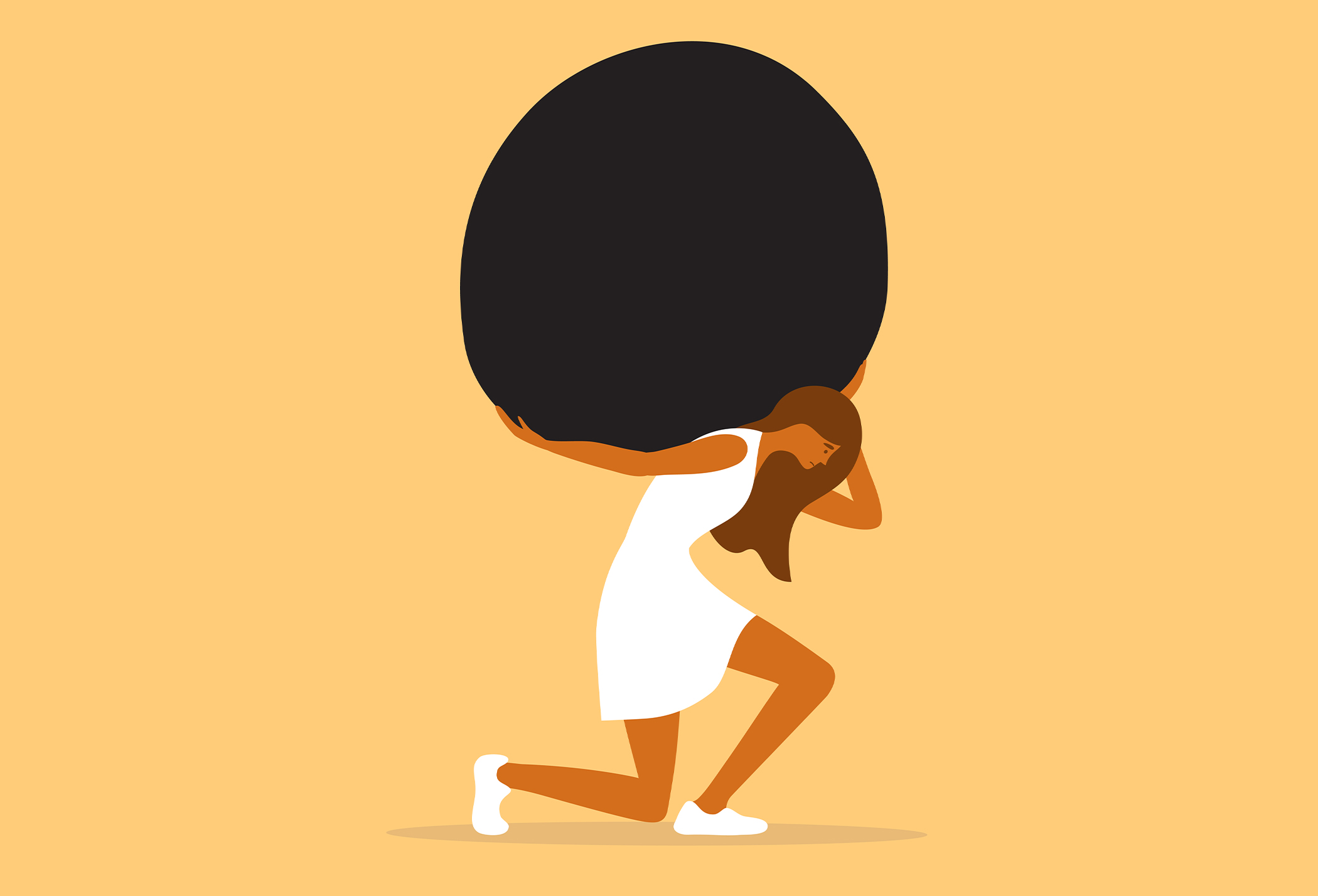
What we’re really experiencing is overwhelm. We’re inundated with constant stressors. We’re overstimulated and exposed to technology in ways previous generations never were. Our periods of rest are shorter, if they exist at all. And whatever downtime we do have, we often spend scrolling on our phones.
The result is that stress has become cumulative.
Stress vs. Stressors
Stress and stressors are two different things. As Dr. Elbers explains, “For me, stress is the physiology. It’s what’s happening on the inside, not what’s happening on the outside.”
Despite the fact that we’re all faced with more stressors, we each respond differently. What might be stressful for me may not be stressful for you.
Our ability to cope with chronic stress, or overwhelm, depends on the state of our nervous system, specifically our capacity to deal with stress. Rest is when we recharge and build that capacity. It’s how our bodies were designed to recover.
The Missing Piece of the Stress Cycle
According to Dr. Elbers, humans are designed to deal with stress. We’re hardwired for the fight-or-flight response. The normal cycle is:
Stress → Recovery → Stress → Recovery
The problem is that the modern cycle often looks like this:
Stress → Stress → Stress
Without adequate time to recover, our capacity to manage stress gradually diminishes. Simply put, we’re not giving ourselves enough time to rest. And when we do carve out that time, we may not be using it in ways that truly promote recovery.
The Problem With Living on Our Phones
Spending hours scrolling through social media doesn’t relieve stress. It probably adds to it. Sitting still isn’t the same as recovering. Emotional activation occurs when we’re consuming upsetting news or absorbing other people’s opinions.
As Dr. Elbers explains:
“If you’re in upset, if you’re in worry, if you’re in resentment or in rage, those are affecting your physiology. Those are activating your stress system. So all of that doomscrolling, if it’s activating any of those emotions, is activating your stress system in the background.”
Dr. Elbers’ Concept of an Emotional Diet
Our emotions affect our physiology. Repeated emotional states shape how our nervous system functions.
As Dr. Elbers asks:
“What’s your emotional diet? What emotions do you live in throughout the day? That’s part of our physiology. Just like what we eat affects our health, our emotions are doing the same thing.”
Are Common Stress Relievers Enough?
What about a hot bath, dinner with friends or a trip to the beach?
According to Dr. Elbers, those activities are helpful, but only temporarily.
“We need to think about stress management like nutrition or fitness. If you only eat your vegetables and whole grains once a week, but you eat fast food and junk food for the rest of the week, we’re kind of losing the benefit. Stress management is the same thing.”
To build resilience, we need to make proper recovery part of our daily routine.
The Parasympathetic Nervous System
The sympathetic nervous system takes over during times of acute stress, triggering the fight-or-flight response.
The parasympathetic nervous system, which is closely connected to the vagus nerve, is responsible for rest, repair, digestion and regeneration.
This is the system that needs to be activated more often. Unfortunately, our modern lifestyle doesn’t give it many opportunities.
According to Dr. Elbers, signs that your nervous system may be dysregulated include:
- Poor sleep
- Frequent illness
- Digestive issues
- Allergies
- Fatigue
Simple Daily Stress Recovery Practices
With constant stressors bombarding us, we need to make time for meaningful daily recovery that activates the parasympathetic nervous system.
Mindfulness is one way to move away from negative emotional states. Meditation works well for some people, but not everyone, including Dr. Elbers herself. The key is finding what works for you. Here are some practical ideas:
Reframe self-criticism. Instead of dwelling on failures or embarrassing moments, ask yourself what you learned and what you might do differently next time.
Practise self-compassion. Notice your negative self-talk. Would you say those same things to a friend? Treat yourself with the same kindness you would offer someone you care about.
Focus on appreciation and gratitude. During stressful moments, such as sitting in traffic, pause to think about something kind someone has done for you. Or simply notice the blue sky, a beautiful tree or flowers growing along the roadside.
Send care to others. If you’re struggling to find something positive, shift your attention outward. Reach out to someone, offer encouragement or simply wish them well.
The Takeaway
Dr. Elbers’ message is simple: Chronic stress is less about external events and more about how long the nervous system remains activated.
Building resilience requires daily recovery, not occasional relaxation.
Simple practices such as mindfulness, appreciation, emotional awareness and reducing emotionally activating habits like doomscrolling can help shift the body out of fight-or-flight mode and into a state of rest, repair and recovery.