What We’re Losing…and What We Can Fix
By Jamie Bussin, featuring Lori Nikkel
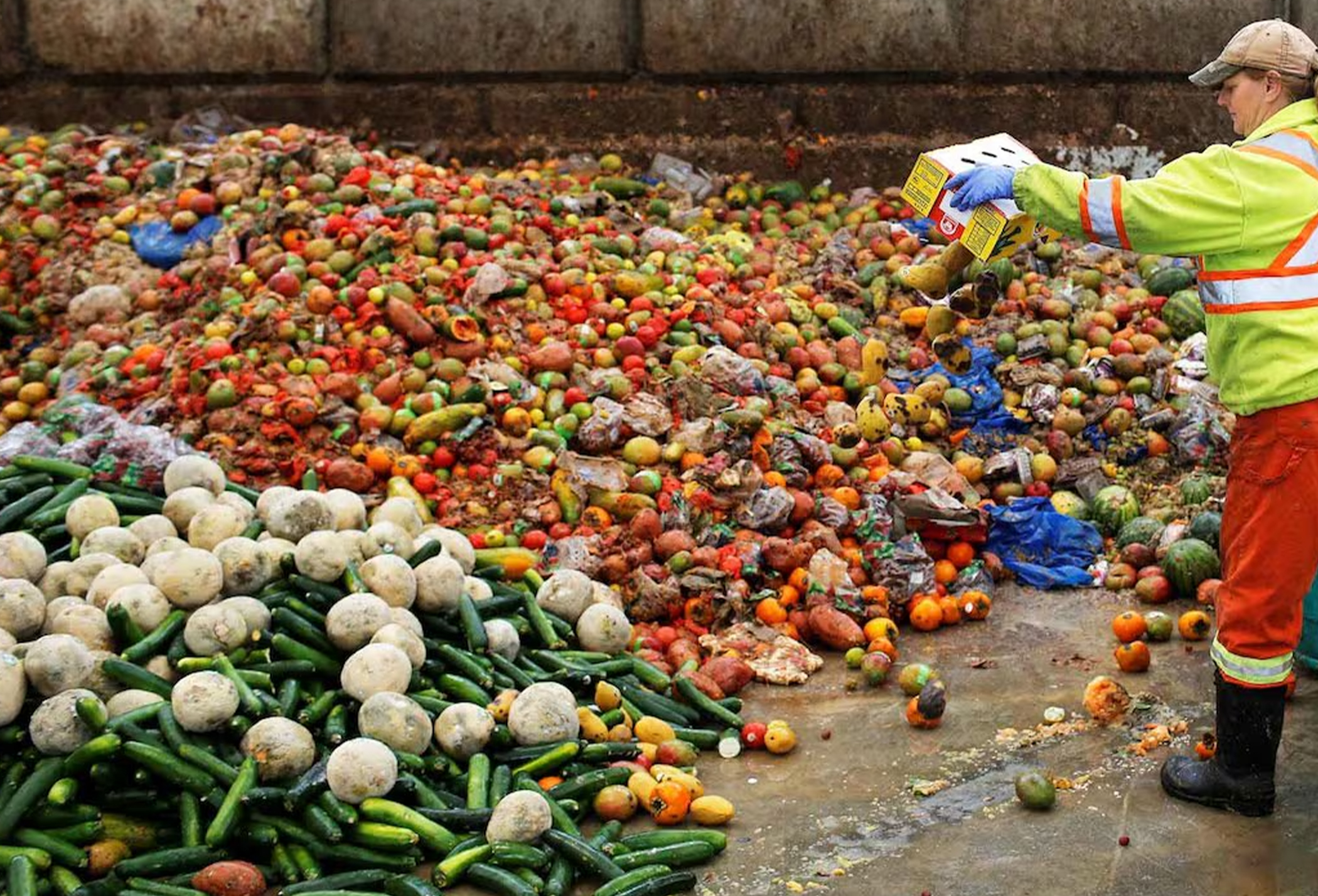
Food waste in Canada is often misunderstood. If you’re like me, you might think it starts and ends in our kitchens or grocery stores; produce that looks less appealing, milk past its best before date, or food tossed because it no longer looks fresh. But food waste is far bigger than household habits. It is a system-wide problem across Canada’s food supply chain, and it carries enormous economic, environmental, and social consequences.
According to Lori Nikkel, CEO of Second Harvest and one of Canada’s leading advocates for food system reform, Canada wastes approximately $58 billion worth of food every year. Food that is largely edible, nutritious, and safe to eat. At the same time, Canada is experiencing a growing food insecurity crisis, a contradiction that highlights just how broken the system has become. I canvassed these issues with Lori in Episode #419 of The Tonic Talk Show/Podcast. This is a digest of that conversation.
The True Scale of Food Waste in Canada
When we talk about food waste, we’re not just talking about what happens at home. As Nikkel explains, food loss occurs from farm to fork; on farms, in manufacturing plants, at distribution centres, and in retail environments.
Overproduction is a major driver. Food is often grown in excess to meet contractual commitments, and when supply outpaces demand, the surplus frequently goes to waste. Cosmetic standards also play a role. Crooked carrots or oddly shaped vegetables, which are otherwise perfectly healthy and nutritious, are routinely rejected because they don’t meet aesthetic requirements.
The scale of this waste can be hard to imagine. Nikkel described scenarios where millions of pounds of surplus produce, such as potatoes, are left without a viable market simply because it was a strong growing year.
Why Measuring Food Waste Matters
One of the most surprising facts about food waste in Canada is that it is not consistently measured. Despite committing to the United Nations in 2015 to reduce food waste by 2030, Canada has no national mandate requiring businesses to track how much food they waste.
This lack of data makes progress difficult. You cannot manage, or reduce, what you do not measure. Measuring food waste at every level of the supply chain would allow for targeted solutions, better planning, and smarter investments.
Research conducted by Second Harvest found that 58 percent of all food produced for Canadians was lost or wasted. Five years later, that number has improved to roughly 46 percent, showing progress. However, the amount of food that could have been eaten, has actually increased.
Best Before Dates and Consumer Confusion
Another major contributor to the problem is the widespread misunderstanding of best before dates. These dates are about peak freshness and nutritional quality, not food safety. Many are voluntary, conservative, and not mandated by the Canadian Food Inspection Agency.
As a result, enormous amounts of food are discarded unnecessarily across the supply chain and in households. Dry goods such as canned foods, pasta, and cereal can last for years, while perishables can often be safely consumed past their best before dates using basic common sense.
Freezing food is another underused solution. When frozen, food effectively pauses its shelf life, reducing unnecessary disposal.
Wonky Produce and Outdated Standards
“Wonky” fruits and vegetables represent another opportunity to reduce food waste. Nutritionally identical to visually perfect produce, they are often rejected due to rigid standards. In many European countries, imperfect produce is widely accepted by consumers.
In Canada, there is a disconnect between what retailers believe consumers want and what consumers are actually willing to buy. Farmers’ markets prove that shoppers are comfortable purchasing imperfect produce when given the option. Rethinking these standards could significantly reduce waste at the retail level.
Food Waste, Affordability, and Income Inequality
Food waste in Canada cannot be separated from the issue of food affordability. Rising grocery prices, supply chain uncertainty, and economic pressures have made it harder for many Canadians to access healthy food.
Importantly, food insecurity is no longer limited to the unemployed. Many people relying on food banks today are working, educated, and housed, but simply do not earn enough to afford nutritious food consistently.
While organizations like Second Harvest play a critical role by redistributing surplus food, this is not a long-term solution. The real solution lies in preventing food waste at the source while addressing the underlying income challenges facing Canadians.
Reducing Food Waste Is Possible
Food waste is not inevitable. It is the result of outdated standards, lack of measurement, and systemic inefficiencies. With better data, smarter policies, and a shift in how we value food, Canada can significantly reduce food waste, benefiting the environment, the economy, and public health.
The food is already being produced. The challenge now is ensuring it is used wisely.