When the Brain Won’t Turn Off Survival Mode
By Jamie Bussin, Featuring Stephanie Johnson
Post-Traumatic Stress Disorder, commonly known as PTSD, is a term many of us have heard, but far fewer truly understand. I spoke with Stephanie Johnson, a licensed clinical psychologist and CEO of Summit Psychological Services, in Episode #431 of The Tonic Talk Show/Podcast. We explored what PTSD actually is, how it develops, and how it shows up in everyday life. What became clear is that PTSD is far more common, and far more misunderstood, than most people realize. This is a digest of our conversation.
What is PTSD?
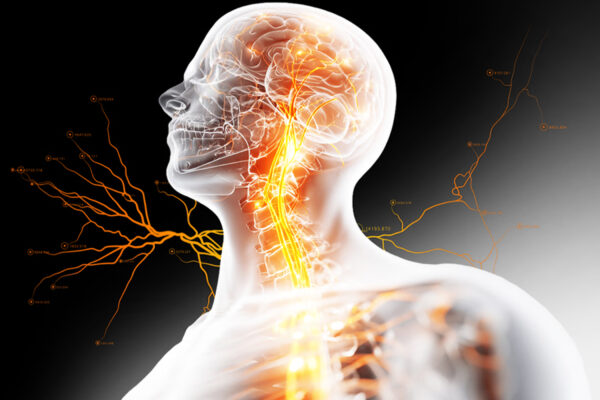
At its core, PTSD is not simply about having experienced trauma. As Dr. Johnson explains, it is “the brain’s inability to turn off your fight, flight, or freeze response.” In other words, the body remains stuck in survival mode long after the threat has passed. This constant state of alertness can have profound effects on both mental and physical health.
According to Dr. Johnson, PTSD affects about 5% of the general population. However, many people don’t even realize they have it. Why? Because they have become so accustomed to living in a heightened state of vigilance that it feels normal. They assume that constantly scanning for danger or feeling on edge is just part of who they are, rather than a treatable condition.
One of the biggest misconceptions about PTSD is that it only affects people who have experienced extreme events like war or violent assault. While Dr. Johnson’s background as a U.S. Army military police veteran gives her deep insight into trauma experienced by first responders and veterans, she is quick to point out that PTSD is not limited to those populations.
“Anything that gets you stuck in that fight, flight, or freeze,” she explains, “can cause PTSD.” This includes experiences many people might not immediately identify as traumatic. Medical procedures, car accidents, or even witnessing a loved one die in a hospital can all trigger the condition. The common thread is not the event itself, but the lasting impact it has on how a person perceives safety and the world around them.
How does PTSD begin?
According to Dr. Johnson, it often develops gradually rather than appearing suddenly. One of the earliest signs is avoidance. People begin to steer clear of certain places, people, or even thoughts and emotions that remind them of a distressing event. While this might seem like a coping mechanism, it can actually reinforce the problem.
Avoidance leads to hypervigilance; a constant scanning of the environment for potential threats. Over time, this takes a toll on the nervous system. The body becomes exhausted from being in a perpetual state of alert, and cognitive functioning can suffer. As Dr. Johnson puts it, it’s like “always fighting a bear.” Eventually, this chronic stress contributes to negative thinking patterns, anxiety, and depression.
It’s important to distinguish between normal vigilance and PTSD. Some individuals, particularly those trained in high-risk professions, are naturally more alert to their surroundings. That alone does not indicate PTSD. The key difference lies in how much it impacts daily life. When relationships suffer, when conflict becomes unmanageable, or when someone begins to isolate and shut down emotionally, that’s when PTSD may be at play.
Another hallmark of PTSD is the presence of triggers; sensory or emotional cues that activate the brain’s survival response. These triggers can be surprisingly subtle. A sound like screeching brakes, the smell of gasoline, or even a perceived slight such as disrespect can provoke a reaction.
What Does PTSD Look Like?
What that reaction looks like varies from person to person. Dr. Johnson describes two broad patterns: internalizing and externalizing. Those who internalize tend to shut down. They may become emotionally numb, avoid communication, or withdraw entirely from situations. In some cases, this can manifest as “ghosting”; cutting off contact because the emotional load is too overwhelming.
On the other hand, those who externalize may respond with heightened emotion or aggression. They might react strongly to perceived threats and struggle to regulate their responses. In both cases, the underlying issue is the same: the individual is unable to engage in calm, regulated interaction because their nervous system is in survival mode.
What Are The Physical Symptoms of PTSD?
Physical symptoms are also common during triggering events. People may experience a racing heart, tightness in the chest or throat, or an overwhelming urge to escape. For some, it can feel like a panic attack—or even a heart attack. Others may exhibit less obvious signs, such as the “thousand-yard stare,” where they appear mentally checked out or disconnected from their surroundings.
An interesting aspect of PTSD is how it interacts with personality. Dr. Johnson notes that responses can vary widely. Some individuals who were naturally empathetic may become even more so after trauma, while others may shut down emotionally, especially if they feel they were not supported or understood during their experience.
There is also a phenomenon known as confirmation bias that can reinforce PTSD symptoms. Some individuals gravitate toward media or situations that validate their belief that the world is dangerous. For example, someone who has experienced trauma may repeatedly watch shows that depict violence or crisis, not because they enjoy them, but because it confirms their internal narrative. This, in turn, justifies their hypervigilance and avoidance behaviours.
What becomes clear through all of this is that PTSD is not simply about the past; it is about how the past continues to shape the present. It affects how people think, feel, and interact with the world on a daily basis.
But perhaps the most important takeaway from my conversation with Dr. Johnson is this: PTSD is treatable. The state of constant survival that so many people accept as normal does not have to be permanent. Recognizing the signs is the first step toward change.
For those who find themselves constantly on edge, avoiding situations, or struggling to regulate their emotions, it may be worth asking a simple but powerful question: Is this really just the way I am, or is it something more?
Understanding PTSD is not just about labeling a condition. It’s about opening the door to the possibility that life can feel different, calmer, safer, and more grounded, than it does right now.