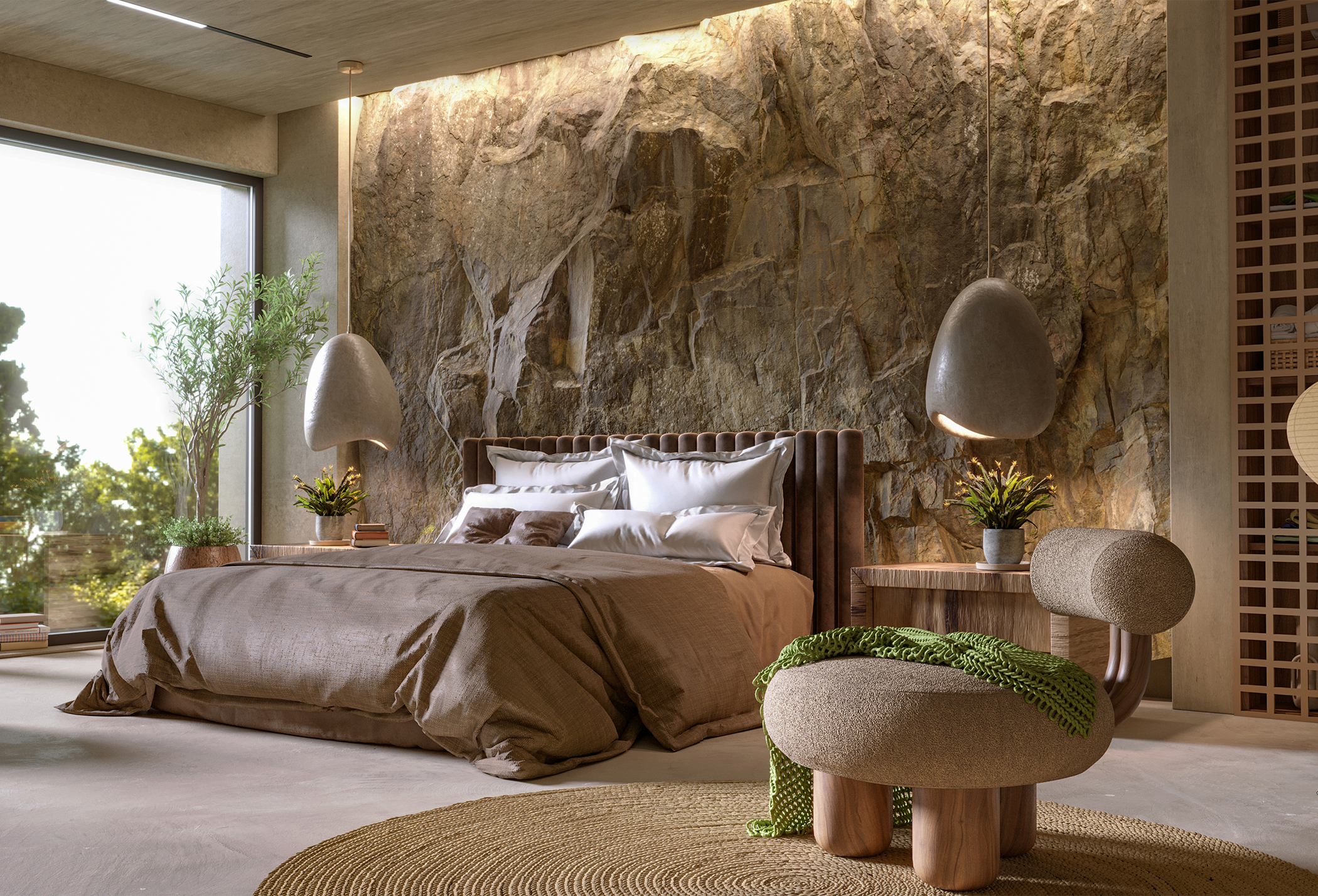
How Your Environment Shapes Your Rest
By Jamie Bussin, featuring Rachel Melvald
Jet lag is real. I experienced my worst case of it a few weeks ago upon my return from an overseas trip. My sleep cycle was completely thrown off. That’s what made my conversation with Dr. Rachel Malveld, a neurodesign expert, on Episode #430 of The Tonic Talk Show/Podcast, so timely and compelling.
Dr. Malveld has developed a science-backed approach called neurodesign. It blends neuroscience, environmental psychology, and trauma-informed principles to help people create spaces that regulate the nervous system, reduce stress, and improve overall well-being. One of the most practical applications of neurodesign? Better sleep.
Sleep isn’t just about what you do before bed. It’s about the environment you create around you.
Why Neurodesign Matters for Sleep
Neurodesign is rooted in a simple but powerful idea: our surroundings directly impact how our brain and body function. When it comes to sleep, that means your bedroom isn’t just a place to rest, it’s an active participant in whether you can rest.
From lighting and temperature to clutter and colour, every element in your environment sends signals to your brain. Some of those signals promote calm and relaxation. Others do the exact opposite.
Natural Light: The Foundation of Your Sleep Cycle
One of the most important elements Dr. Malveld highlighted is natural light. According to her, it’s one of the most powerful regulators of our circadian rhythm; the internal clock that controls sleep, hormones, mood, and energy.
When you expose yourself to natural light in the morning, it tells your brain it’s time to be alert. This helps regulate cortisol, the hormone that wakes you up. Later in the day, this same system supports the production of melatonin, which helps you fall asleep.
The good news? The solution is simple.
Open your blinds or curtains within the first 30 to 60 minutes after waking up. That early exposure can have lasting effects on your sleep cycle throughout the day. It’s a small habit, but one that can make a meaningful difference; especially if, like me, your sleep schedule has been disrupted.
Temperature: Supporting Your Body’s Natural Rhythm
Another key factor in sleep is temperature. Dr. Malveld notes that the body naturally cools down as it prepares for sleep. If your room is too warm, your body has to work harder to regulate itself, making it more difficult to fall and stay asleep.
The ideal temperature range? Roughly 15 to 19 degrees Celsius.
In practical terms, this means turning down your thermostat at night. It may sound basic, but aligning your environment with your body’s natural processes is at the core of neurodesign.
Noise Pollution: The Hidden Sleep Disruptor
We often think of noise as obvious; traffic, loud neighbours, or construction. But Dr. Malveld points out that ambient noise pollution can be much more subtle.
The hum of a refrigerator, distant traffic, or even small gaps around windows and doors can create background noise that interferes with sleep. These sounds can prevent you from reaching deeper stages of rest, including REM sleep.
Solutions can include:
- Soundproofing elements like sealing gaps
- Positioning your bed away from noisy electronics
- Reducing or eliminating unnecessary background sounds
The goal is to create a quieter environment that allows your brain to fully relax.
Clutter: More Than Just a Mess
Clutter isn’t just a visual annoyance. It’s a psychological signal.
According to Dr. Malveld, clutter tells your brain that there is “unfinished business.” It suggests that tasks are incomplete and that it’s not yet time to rest. This can increase cortisol levels and trigger anxiety, making it harder to wind down.
In other words, a messy room isn’t just messy…it’s mentally activating.
This is why she recommends separating spaces based on function. For example, keeping a home office out of the bedroom whenever possible. Your bedroom should signal rest, not productivity.
Colour and Calm: Designing for Relaxation
The colours in your bedroom also play a role in how your body prepares for sleep.
Dr. Malveld emphasizes the importance of nature-inspired hues; soft blues, muted greens, and warm neutrals. These colours are commonly found in natural environments and tend to promote relaxation by lowering heart rate and signaling safety to the brain.
In contrast, bright or intense colours can be stimulating. While you may not have an orange bedroom, the principle is clear: your environment should support calm, not activation.
Biophilic Design: Bringing Nature Indoors
A central concept in neurodesign is biophilic design: the intentional integration of nature into your living space.
This can include:
- Plants
- Natural materials like wood or stone
- Organic shapes and patterns (known as fractals)
- Natural light and views of the outdoors
Humans are wired to respond positively to nature. Incorporating these elements into your bedroom can help regulate your nervous system and promote a sense of safety and calm.
Even small changes; like adding plants, using natural textures, or incorporating soft, organic patterns, can make a difference.
Screens and Sleep: A Modern Challenge
It should come as no surprise that screens are not sleep-friendly. Dr. Malveld recommends avoiding TVs in the bedroom, largely due to blue light, which stimulates cortisol and disrupts the body’s ability to prepare for sleep.
Beyond the biological impact, screens also shift the purpose of the bedroom away from rest and connection. Instead of winding down, you remain mentally engaged.
Final Thoughts
What I took away from my conversation with Dr. Rachel Malveld is this: better sleep isn’t just about discipline or routine, it’s about design.
Neurodesign offers a practical, science-based way to align your environment with your biology. By making small, intentional changes such as letting in natural light, adjusting temperature, reducing noise and clutter, and incorporating elements of nature, you can create a space that truly supports rest.
For anyone struggling with sleep, including those dealing with jet lag like I was, these insights offer a powerful reminder: sometimes the solution isn’t to try harder—it’s to design smarter.