What Everyone Should Know Now
By Jamie Bussin, featuring Dr. Dasha Leneva ND
As we get older, we all begin to ask similar questions: How can I stay mentally sharp? How do I keep my energy up? How can I age in a healthy, vibrant way? While most conversations around healthy aging focus on exercise, sleep, or supplements, one crucial factor is often overlooked: gut health.
Your digestive system isn’t just responsible for breaking down food. It plays a powerful role in brain health, immune function, inflammation control, and overall longevity. In fact, more research now shows that the condition of your gut microbiome may be one of the most important predictors of how well you age.
I recently spoke with Dr. Dasha Leneva, a naturopathic doctor and gut-health expert on Episode #415 of The Tonic Talk Show/Podcast, about how the gut influences healthy aging. Her insights reveal just how interconnected digestion, inflammation, and cognitive function truly are.
Understanding the Gut–Brain Axis and its Role in Aging
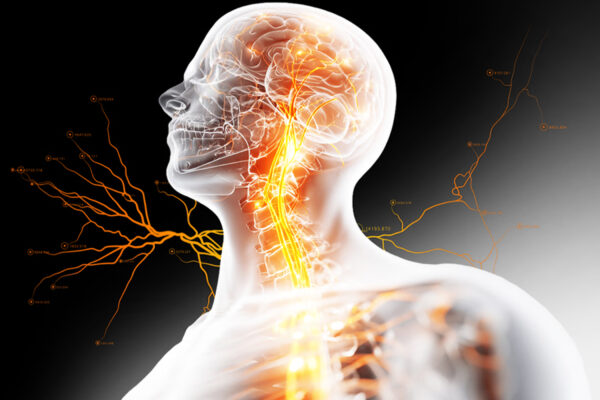
If you want to understand how gut health affects aging, you first need to understand the gut–brain axis. This is the bi-directional communication system between the digestive tract and the central nervous system. Signals move between these systems through neural pathways, immune reactions, and hormonal messengers.
Dr. Leneva explains that the gut communicates with the brain through:
- The vagus nerve
- The enteric nervous system
- Microbial metabolites, including short-chain fatty acids
- Immune signaling molecules
- Hormonal pathways
This means that changes in the gut, especially changes to the gut microbiome, can directly influence how the brain functions.
Aging Changes the Microbiome
As we age, the diversity of gut bacteria tends to decline. This decrease in microbial diversity is associated with:
- Higher inflammation
- Reduced nutrient absorption
- Increased risk of cognitive decline
- Mood changes
- Higher rates of neurodegenerative disease
Researchers studying Alzheimer’s and Parkinson’s disease have found that patients often experience significant gastrointestinal issues. This suggests that the gut may play a role in disease progression long before neurological symptoms appear.
A healthy gut enhances digestion—but it also protects the brain and supports long-term cognitive health. That’s why maintaining gut balance is essential for healthy aging.
How Gut Health Impacts Mood, Cognition, and Mental Sharpness
You may have heard the gut referred to as the “second brain.” That’s because the gut produces many of the neurotransmitters we associate with mood and cognition, including:
- Serotonin
- Dopamine
- GABA
These are the chemical messengers that help regulate mood, focus, motivation, and sleep. If the gut is imbalanced, neurotransmitter production suffers and so does mental clarity.
Gut health also affects nutrient absorption. As we age, and especially if we take medications that reduce stomach acid, the body may absorb less:
- Vitamin B12
- Iron
- Calcium
- B6 and folate
All of these nutrients are essential for brain function and healthy aging.
Inflammaging: The Hidden Driver of Premature Aging
One of the most important concepts in longevity science today is inflammaging: chronic, low-grade inflammation that increases with age. This process accelerates tissue damage, increases oxidative stress, worsens joint and heart health, and contributes to cognitive decline. And guess where inflammaging often begins …in the gut.
When the gut barrier weakens or the microbiome becomes imbalanced, the immune system becomes overstimulated. This sets off a cycle of inflammation that affects the:
- brain
- cardiovascular system
- joints
- metabolism
This is why improving gut health isn’t just about digestion—it’s one of the most effective ways to support long-term health and longevity.
How to Improve Gut Health for Healthy Aging
The good news is that supporting your gut microbiome doesn’t require drastic changes. Small, consistent habits can make a measurable difference.
1. Eat More Fibre (and more types of it)
If there is one gut health tip that offers the biggest return, it’s this: Eat more fibre, and eat a wide variety of fibre-rich foods.
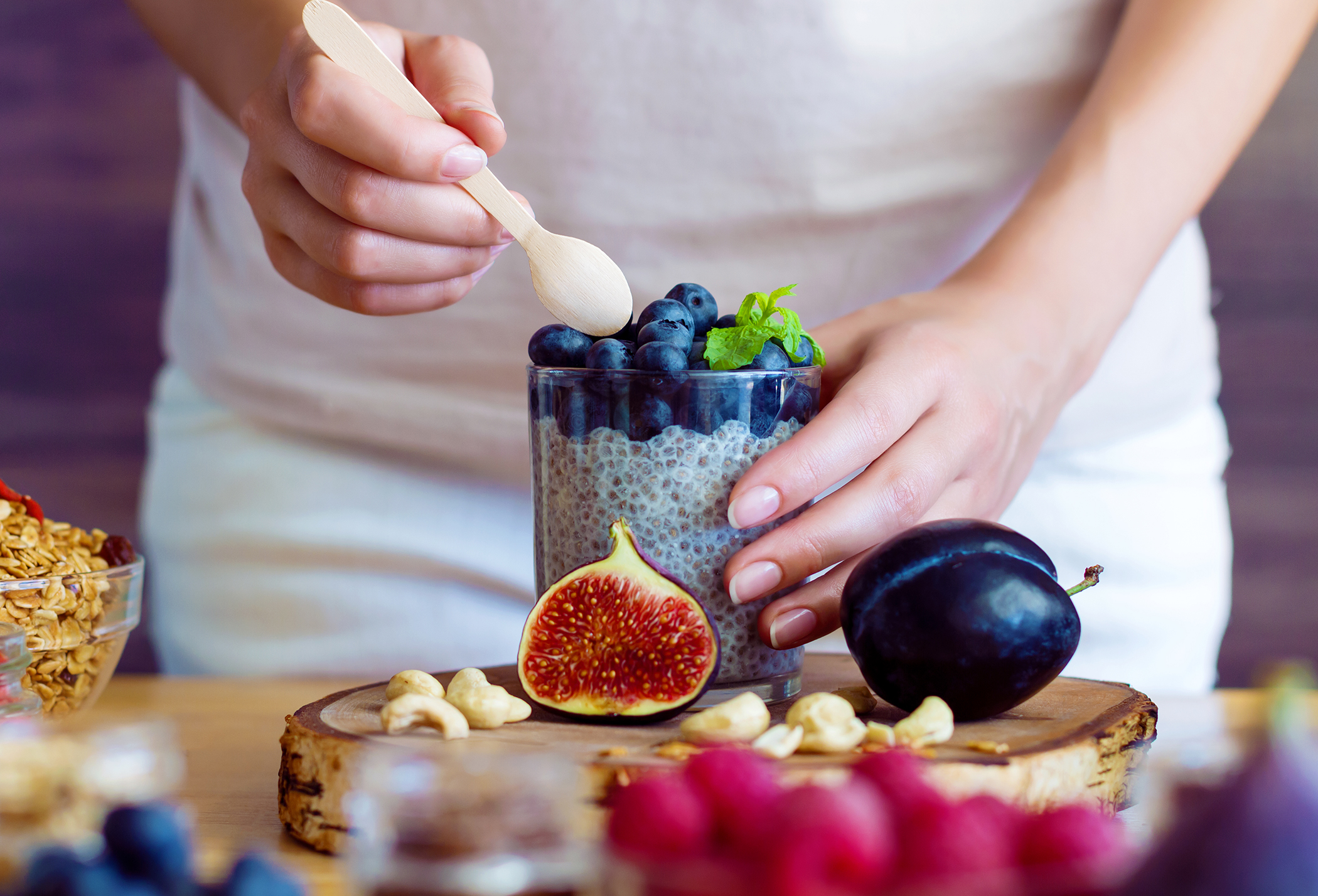
Fibre feeds beneficial gut bacteria and helps increase microbial diversity. Aim for a colourful, diverse diet that includes:
- Fruits and vegetables
- Legumes
- Whole grains
- Nuts and seeds
- Leafy greens
Dr. Leneva recommends “eating the rainbow” to naturally incorporate different fibres into your diet.
2. Incorporate Fermented and Probiotic Foods
Probiotic-rich foods provide beneficial bacteria that help:
- Support digestion
- Boost immune function
- Reduce inflammation
- Improve mood and mental clarity
Healthy options include:
- Yogurt
- Kefir
- Sauerkraut
- Kimchi
- Miso
- Kombucha
Even one fermented food per day can improve gut diversity.
3. Use Supplements Strategically for Gut and Brain Health
Supplements can help fill nutritional gaps, especially as we age. Helpful gut-health supplements include:
- Prebiotic fibres (inulin, psyllium)
- Polyphenol-rich gut support powders
- Targeted probiotic strains—chosen for the specific condition
- Omega-3 fatty acids (brain + gut benefits)
- B vitamins for cognition and energy
A high-quality probiotic should be strain-specific, enteric-coated, and refrigerated for optimal potency.
Lifestyle Factors That Support Gut Health and Longevity
Healthy aging is not only about what you eat; it’s also about how you live.
Stress Reduction
Chronic stress disrupts gut function and alters the microbiome. Stress management practices: mindfulness, breathing exercises, therapy, or adaptogenic supplements can significantly improve digestion and overall health.
Physical Activity
Regular movement supports gut motility and helps regulate inflammation.
Sleep
Poor sleep harms the microbiome, increases cravings, and weakens immune function.
Hydration
Adequate water intake improves digestion, nutrient transport, and elimination.
Healthy Aging Starts in the Gut
Whether you’re 30, 60, or older, supporting your gut health is one of the most effective and empowering ways to support healthy aging. As Dr. Leneva reminds us, it’s never too late to start. Even small changes can improve gut diversity, lower inflammation, and support mental and physical vitality.
Healthy aging isn’t just about adding years to your life. It’s about adding life to your years. And the journey starts in the gut.