Why Scientists are Thinking Globally
By Jamie Bussin, featuring David Nelson
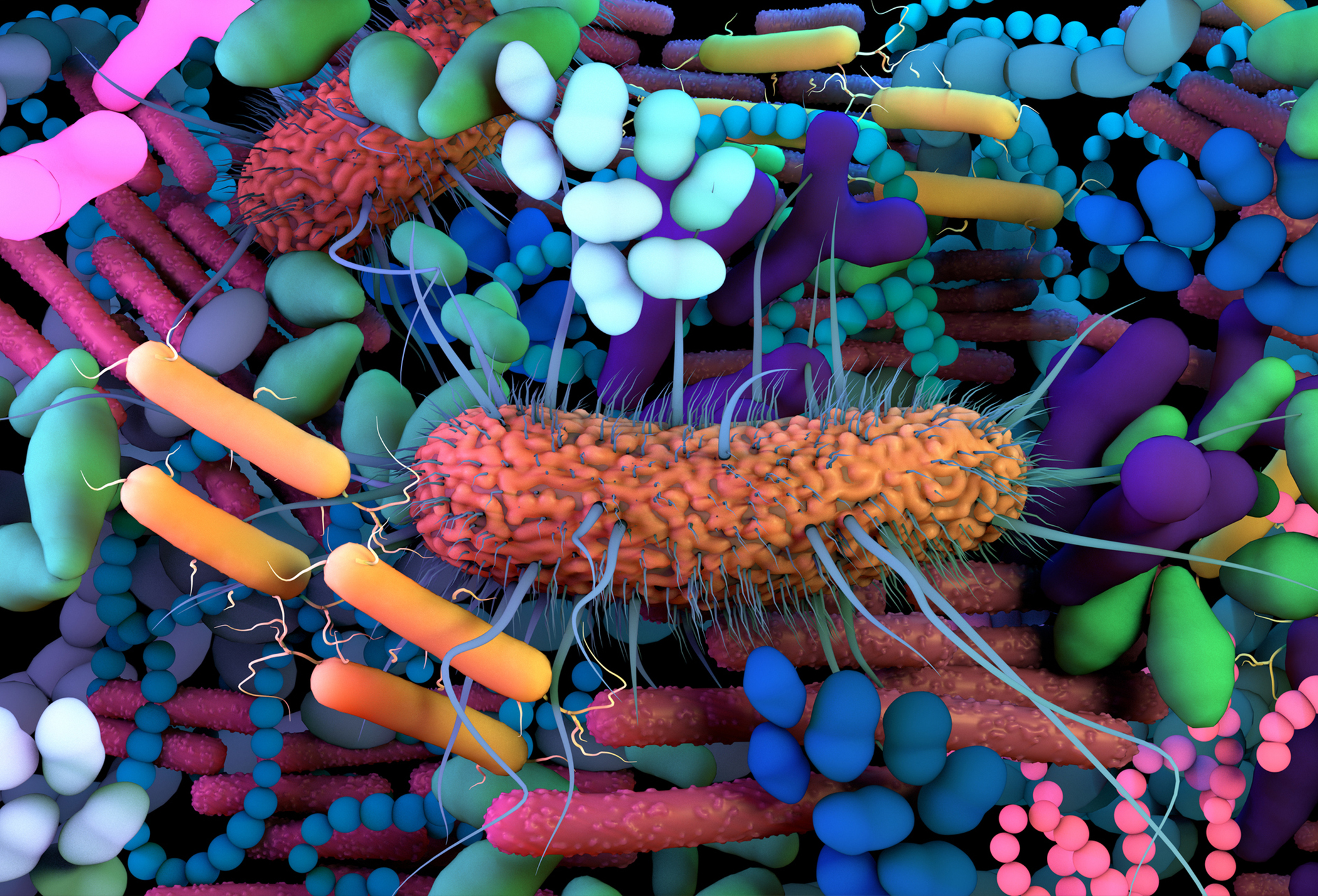
For years, scientists studying the gut microbiome relied mainly on research from North America and Western Europe. Now, researchers are expanding their work to populations around the world, discovering that there isn’t one “ideal” gut microbiome. Instead, gut bacteria appear to adapt to local diets, environments, and lifestyles, reshaping how experts think about digestive health and disease.
A recent article in The New York Times Magazine focused on the efforts of a husband-and-wife team of scientists collecting gut microbiome samples from around the world. I discussed the article with health and wellness researcher David Nelson, a faculty member at the Nova Institute for Health in Baltimore, in Episode #448 of The Tonic Talk Show/Podcast. This article is a summary of our conversation.
What Is the Gut Microbiome?
The gut microbiome refers to both the microorganisms that inhabit the gastrointestinal tract and their collective genetic material. It is one of the densest microbial ecosystems on Earth, with estimates ranging from 10 trillion to 100 trillion microbial cells. According to David, it was first described approximately 100 years ago by Russian scientist Elie Metchnikoff. However, it is only within the past 10 to 20 years that scientists have begun to understand its importance to our health and well-being.
We now know that the gut microbiome helps break down food and produces beneficial compounds called postbiotics. These compounds are created when gut bacteria digest food.
The gut microbiome also supports the immune system and helps keep pathogens, the microorganisms that make us sick, in check.
“Our gut microbiome is absolutely intersectional with health. It might not be causing disease, but it is absolutely related, and we have to look after it if we’re going to look after our own health.”
Good vs. Bad Bacteria
Contrary to common belief, there is no simple distinction between “good” and “bad” bacteria. According to David, every microbe has a role somewhere in the Earth’s ecosystem; just not necessarily inside the human body. When we become ill, it’s often “the wrong microbe in the wrong place at the wrong time.”
A healthy, “peaceful” gut microbiome simply means that the microorganisms living there are able to coexist in balance.
Why Are Scientists Studying Gut Microbiomes Around the World?
When microbiome research began, much of the available data came from North America and Western Europe. However, that research doesn’t necessarily apply to the rest of the world.
Many factors shape an individual’s gut microbiome, including diet, water quality, sanitation, antibiotic use during childhood, whether a person lives in an urban or rural environment, and the degree of industrialization. These factors vary widely around the world.
Studying microbiomes across diverse populations gives researchers a more complete database and helps explain how humans adapt to different environments, diets, and lifestyles.
For example, travellers sometimes become ill after eating local street food, while residents remain perfectly healthy. That doesn’t necessarily mean the microbes are harmful. Rather, local populations have adapted to them over time. If we lived there long enough, our microbiomes would likely adapt as well.
There Is No Such Thing as One Healthy Gut Microbiome
Current research suggests there is no universal healthy gut microbiome. Instead, healthy microbial communities differ between populations because diet, environment, sanitation, antibiotic exposure, and geography all influence which microbes thrive.
Bacteria that make one population ill may have little or no effect on people living elsewhere. These microbial communities are also dynamic and constantly changing.
As David explains:
“It updates every meal, every time. Say you get on a plane and you fly to a different country, your microbiome’s already adapting to where you go… The bacteria have to work together, and in working together, that’s what gives you a healthy microbiome.”
Which Products Support Gut Microbiome Health?
When choosing products to support gut health, such as probiotics, it’s important to look for evidence-based products.
Fortunately, in Canada, identifying reputable products is relatively straightforward. Every approved natural health product must have a Natural Product Number (NPN), indicating that Health Canada has reviewed the evidence supporting its safety, quality, and recommended use.
David supports the use of probiotics but believes they should be taken for a specific reason; for example, after a course of antibiotics or to help manage certain digestive conditions. He also recommends taking probiotics with prebiotic foods rich in fibre and polyphenols to help nourish beneficial bacteria.
He is more cautious about microbiome testing kits because there is currently no accepted standard, and most tests focus on identifying individual bacteria rather than assessing how the entire microbial community functions. Although the technology is improving, David believes more research is needed before these tests become truly useful for consumers.
Lifestyle Habits That Support a Healthy Gut Microbiome
Lifestyle choices can have a significant impact on the health of the gut microbiome, beginning with diet.
According to David, beneficial gut bacteria need vitamins, minerals, a wide variety of dietary fibres, and the polyphenols found naturally in colourful fruits and vegetables.
He also recommends including fermented foods such as kimchi, kefir, sauerkraut, and yogurt in a healthy diet, while limiting ultra-processed foods whenever possible.
What Could Microbiome Medicine Look Like in the Future?
David is optimistic about the future of microbiome medicine. One promising area of research is fecal microbiota transplantation (FMT), which involves transferring beneficial microbes from a healthy donor into the gut of someone with certain diseases.
FMT is currently used to treat recurrent Clostridioides difficile (C. diff) infections, which can develop after repeated antibiotic use. Researchers are also studying whether microbiome-based therapies may one day help manage obesity, elevated blood glucose, abnormal blood lipid levels, and other chronic conditions.
As scientists expand microbiome research beyond Western populations, they are building a more complete understanding of how gut bacteria influence health. The findings may eventually lead to more personalized nutrition and medical treatments based on an individual’s microbial community rather than a one-size-fits-all approach.
What Supports a Healthy Microbiome?
- Eat a variety of fibre-rich foods.
- Include plenty of fruits and vegetables.
- Consume fermented foods regularly.
- Use probiotics when appropriate.
- Be cautious about relying on microbiome testing kits until stronger evidence is available.
Key Takeaways
- There is no universal healthy gut microbiome.
- Geography, diet, and lifestyle all shape gut bacteria.
- Most microbiome research has focused on North America and Western Europe.
- Researchers are expanding studies to populations around the world.
- Diet remains one of the most effective ways to support gut health.
- Microbiome-based medicine is expected to grow significantly over the next decade.