Protect Your Fur Babies
By Jamie Bussin, Featuring Dr. Carol Osborne IVM
Halloween is in a few days. A fun time for kids of all ages. But according to veterinarian Dr. Carol Osborne, Halloween is also a time of increased risks for our pets. We discussed how to keep our furry friends healthy and safe that night in Episode #459 of The Tonic Talk Show/Podcast. Here are her top 10 tips.
- Keep candy and chocolate out of your pet’s reach.
Candy and chocolate can make pets sick. Some sweets contain xylitol, a sugar substitute that is particularly dangerous for dogs. Store treats somewhere pets cannot access them. - Seek veterinary help if your pet eats a large amount of candy or chocolate.
A small nibble may not necessarily require an emergency visit, but Dr. Osborne advises seeking help if your pet consumes a large quantity. - Watch out for cannabis-infused treats.
Cannabis can be hidden in candies, chocolates and baked goods. THC can make dogs very sick and cause neurological symptoms. If you suspect your pet has eaten a cannabis-infused product, take them to an emergency veterinarian and be honest about what they may have consumed. - Keep pets away from outdoor Halloween pumpkins.
Although pets can eat pumpkins, Dr. Osborne warns that pumpkins used for outdoor jack-o’-lanterns can make them very sick. - Choose pet costumes carefully.
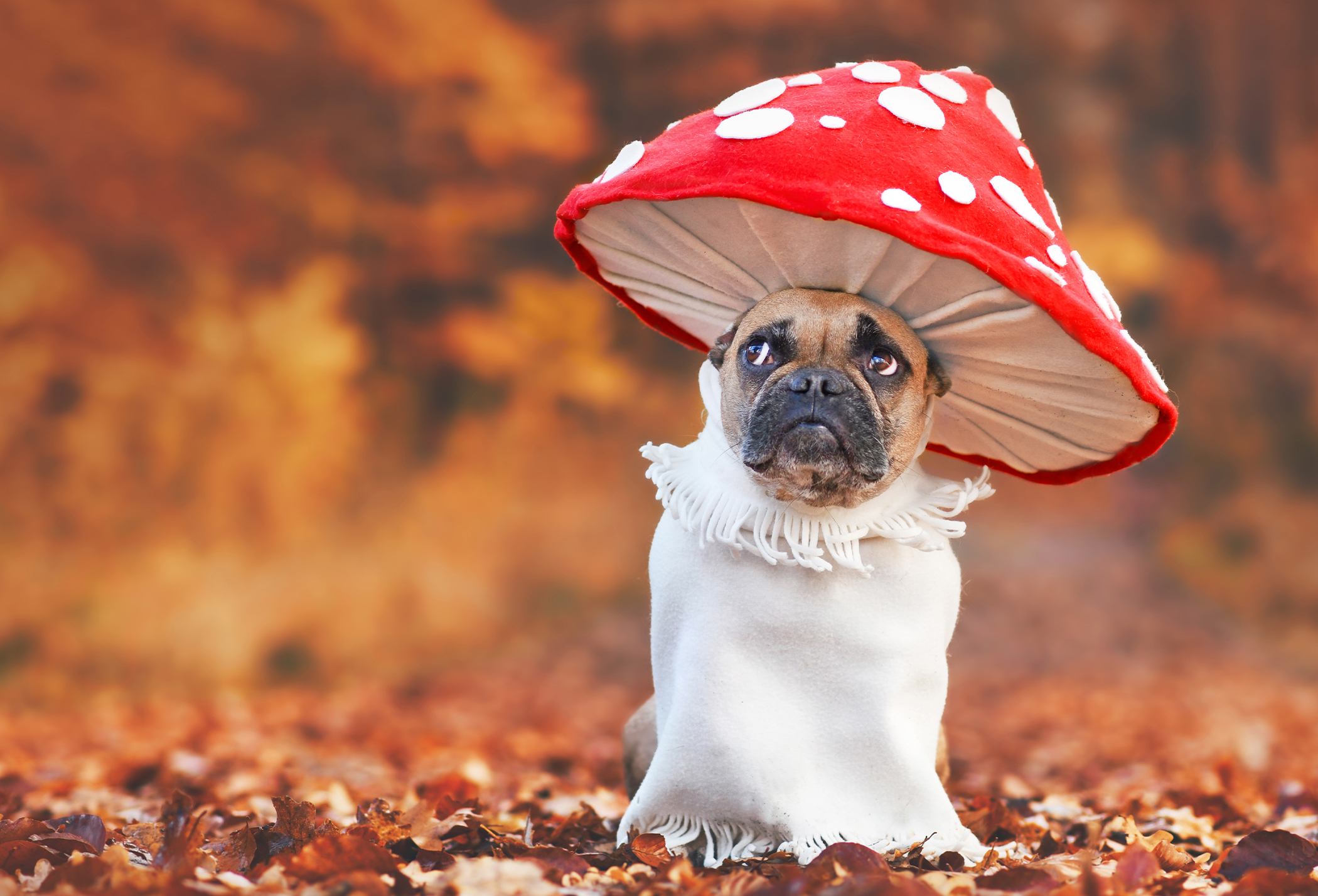
If you dress up your pet, avoid anything around the throat, including ties used to secure hats or clothing. Costumes should fit properly without restricting your pet’s ability to see, hear or breathe. - Give your pet a quiet, safe place during trick-or-treating.
Keep pets that become anxious or reactive away from the front door in a comfortable room with toys, blankets, chew toys and soft music. Close the door and let them relax there until trick-or-treating is over. - Take precautions against loud noises.
Close windows and shades, and consider playing soft music to help reduce the impact of Halloween noise. Dr. Osborne suggests using cotton balls in pets’ ears, but emphasizes that you must remember to remove them afterward. - Make sure your pet has up-to-date identification.
Pets can accidentally slip outside when doors are frequently opened. Ensure your pet wears a collar or identification tags with current contact information. Dr. Osborne also recommends considering a microchip, which can help veterinary facilities identify a lost pet and contact its owner. - Be cautious with calming remedies.
Dr. Osborne discusses options such as flower remedies, pet-specific essential-oil combinations and over-the-counter amino-acid products. She notes that holistic remedies do not work for every pet and suggests trying any approach before Halloween. Consult your veterinarian if you are unsure what is appropriate for your pet.
BONUS TIP. Watch what your pet picks up on post-Halloween walks.
Dropped candy, chocolate and discarded wrappers can attract pets. Stay alert during walks in the days after Halloween, particularly near streets and schoolyards, and prevent your pet from eating anything they find.