What the Evidence Really Says
By Jamie Bussin, featuring David Nelson
While scrolling through social media, an ad for a vagus nerve stimulator piqued my interest. So, I clicked on it. Which, of course, resulted in more ads for vagus nerve stimulators filling my feed. Lots of promises of weight loss and a good night’s sleep. But do these products deliver on their promises? I asked wellness researcher, writer and faculty member of the Nova Institute for Health in Baltimore, David Nelson, to do a little digging. We discussed whether vagus nerve stimulators are worth the hype in Episode #454 of The Tonic Talk Show/Podcast. This article is a summary of our discussion.
The evidence suggests that vagus nerve stimulation can produce meaningful health effects, but the strength of the evidence varies considerably depending on the condition, the type of stimulation and the device being used.
What Is the Vagus Nerve?
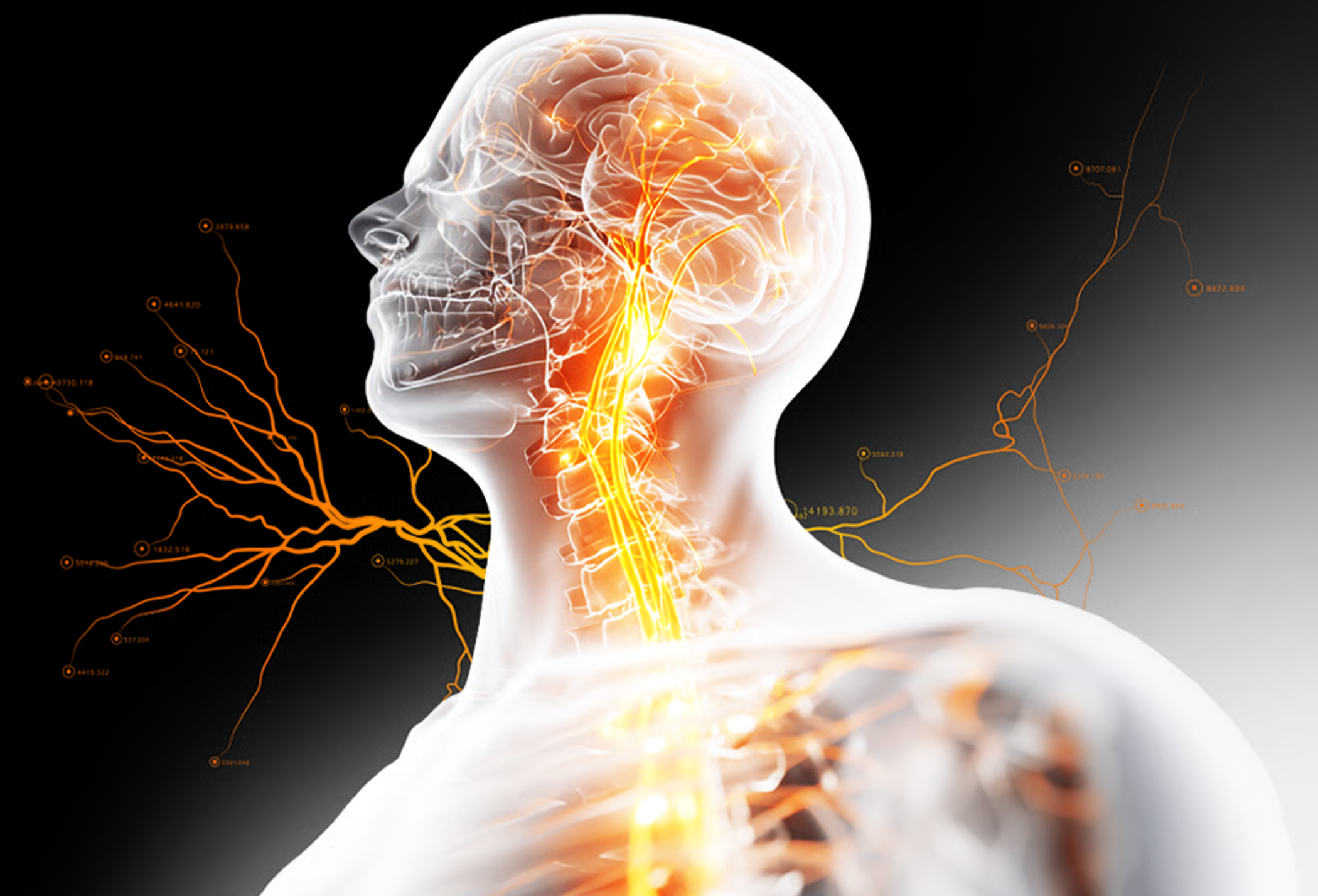
The vagus nerve is the 10th cranial nerve. It doesn’t come from the spinal column. Rather, it exits directly from the cranium and travels throughout the body. Vagus actually means “the wanderer.” It connects organs such as the heart and lungs. From a process perspective, it is involved in digestion, swallowing and voice.
Nelson says, “We used to think that the vagus nerve connected unidirectionally from brain to organs, but now we realize it’s a bidirectional information conduit or highway that connects brain to body, body to brain.”
What Does Vagus Nerve Stimulation Do?
By sending mild electronic pulses to the vagus nerve, the nerve fibres influence neurotransmitters such as norepinephrine, serotonin, dopamine and acetylcholine, which regulate mood, cognition and neural plasticity.
The “real medicine,” according to Nelson, is how the stimulation activates the parasympathetic nervous system, potentially impacting depression, chronic headaches, sleep, stress and digestion.
According to Nelson, the evidence shows that vagus nerve stimulation can reduce inflammation broadly and globally in the body. It also shows promising, but unproven, effects on heart rate variability.
What the Evidence Says About Vagus Nerve Stimulation
The better clinical evidence suggests that vagus nerve stimulation is effective in treating the following conditions:
- Refractory epilepsy
- Difficult-to-treat depression
- Arm rehabilitation following stroke
- Certain difficult-to-treat headaches
There is less clinical evidence, more anecdotal evidence or uneven effectiveness in treating the following conditions:
- Stress
- Anxiety
- Sleep
- Weight loss
Medical Vagus Nerve Stimulation vs. Consumer Devices
There is a distinction between medical devices and consumer devices.
Medical VNS: Implanted or medically supervised stimulation involving specific placement and calibrated stimulation.
Consumer devices: May use transcutaneous stimulation, including stimulation around the ear or neck, or breathing-based approaches.
According to Nelson, implanted devices can deliver a calibrated dose under supervision, while consumer products may stimulate the auricular branch of the vagus nerve or surrounding tissues.
Can Vagus Nerve Stimulation Help You Lose Weight?
Many of the social media ads I saw included first-person endorsements suggesting that vagus nerve stimulation would result in weight loss. There is a biological connection between the vagus nerve and digestion, but there is currently not enough evidence to conclude that consumer vagus nerve stimulators cause weight loss.
Both Nelson and I agree: keep your expectations reasonable. Without calorie restriction and supporting choices such as regular exercise and good sleep, no device will result in weight loss.
5 Questions to Ask Before Buying a Vagus Nerve Stimulator
So, how can you know if a vagus nerve stimulation product lives up to the hype? Nelson recommends thorough research that answers the following five questions:
- What specific health outcome has the device been studied for?
- Are there peer-reviewed clinical trials on this specific device?
- Was the research conducted in humans?
- What stimulation dose was used, for how long and how frequently?
- Does the company’s marketing claim more than the research actually demonstrates?
Lifestyle Choices That Stimulate the Vagus Nerve
If you’re not ready to buy a consumer device, there are some things you can do that may naturally stimulate the vagus nerve:
- Slow, comfortable breathing — approximately five to six breaths per minute
- Humming
- Gargling
- Cold plunges
- Aerobic exercise
- Eating good-quality food
The Bottom Line
Vagus nerve stimulation is a legitimate area of medical research, but that doesn’t mean every consumer device making vagus nerve claims has been proven to work. The evidence is stronger for some medical applications than for wellness claims involving stress, sleep, anxiety or weight loss. Consumers should look for human clinical research on the specific device and the specific outcome being advertised.