Why Plant-Based Solutions Belong in Every Home
By Jamie Bussin, Featuring Jodi Scott
For years, we’ve covered the health benefits of natural products to help support bodily functions such as digestion, pain relief, heart health, to name a few. But one area that doesn’t get nearly enough attention is plant-based first aid solutions. Not emergency medicine, not pharmaceuticals, but the everyday creams, sprays, ointments, and balms we reach for when life happens: a cut, a burn, a bug bite, a rash, or a bruise.
Most of us grew up with the same over-the-counter first aid staples in our medicine cabinets. They were convenient, affordable, and familiar. But after speaking with experts deeply rooted in plant medicine and skin health, such as Jodi Scott on Episode #420 of The Tonic Talk Show/Podcast, it’s become clear that many conventional first aid products are outdated, not just philosophically, but biologically. It’s time to rethink first aid through a plant-based, skin-first lens. This article is a digest of my conversation with Jodi.
The Hidden Problem With Conventional First Aid Products
The modern over-the-counter (OTC) first aid industry was built for mass production, extended shelf life, and scale. Many of the formulas we still use today were developed decades ago, during a time when manufacturing and distribution limitations required heavy preservatives and synthetic fillers to keep products stable for years.
That legacy remains.
Alcohols, synthetic fragrances, petroleum derivatives, parabens, phthalates, and other chemical fillers are still widely used in conventional first aid products. While these ingredients may quiet symptoms temporarily, they often do so by masking the problem rather than supporting the body’s natural healing processes.
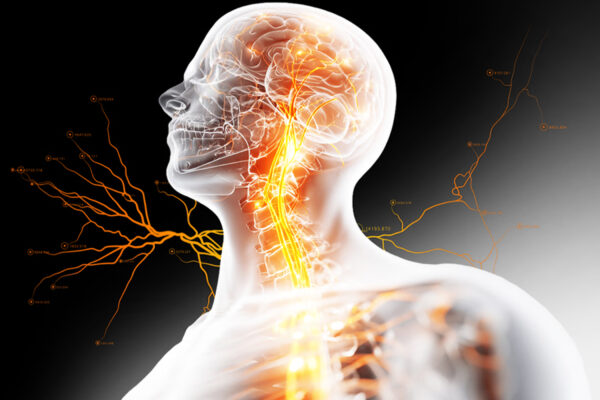
This matters because your skin isn’t just a passive surface. It’s your body’s largest organ and its first line of immune defense. It absorbs, communicates, detoxifies, and signals to your nervous and immune systems. When the skin barrier is disrupted, by harsh chemicals or endocrine disruptors, it can trigger inflammation, delay tissue repair, and keep the body in a low-grade state of stress.
Over time, this constant “alert mode” contributes to the rise we’re seeing in chronic skin conditions like eczema, dermatitis, and persistent dryness. In other words, the very products designed to help may be quietly undermining long-term skin resilience.
Why Organic and Plant-Based First Aid Matters
Not everything in life needs to be organic. Most of us already make strategic choices; for example buying organic produce with higher permeability to pesticide exposure but being more flexible with foods that have protective peels or rinds.
But topical products are different.
What you put on your skin goes into your body. And because your skin plays such an active role in immune regulation and hormone signaling, minimizing unnecessary chemical exposure becomes especially important.
Organic, plant-based first aid products reduce what Jodi refers to as biological friction. Fewer synthetic ingredients mean fewer signals for your body to defend against. That creates more space for repair, balance, and recovery. Instead of forcing the body to override inflammation, plant-based solutions work with the body’s innate intelligence.
Shelf Life Without Synthetic Preservatives: Yes, It’s Possible
One of the biggest arguments against natural first aid is shelf life. But according to Jodi, this concern is largely outdated.
Many herbs, plant oils, and botanical compounds are natural stabilizers when formulated correctly. Unlike water-based products, which often require alcohol or synthetic preservatives, oil-based, plant-forward formulations can remain stable and effective for years without compromising skin health.
In fact, many conventional products rely on water as a filler to increase volume and perceived value. Plant-based formulations focus instead on potency and function, delivering more benefit with fewer ingredients.
Skin Health Is Nervous System Health
What often goes unspoken in first aid conversations is the deeper role skin plays in overall wellness. Skin is intimately connected to both the immune and nervous systems. When the skin barrier is compromised, the body perceives danger; triggering inflammation, elevating cortisol, and subtly impacting mood, clarity, and emotional resilience.
This is where plant-based first aid truly shines.
By nourishing the skin rather than suppressing symptoms, natural formulations help shift the body out of fight-or-flight and into a state of safety. Reduced inflammation supports faster healing, clearer thinking, and a greater sense of calm. Skin care, in this context, isn’t cosmetic—it’s regulatory.
Building a Plant-Based First Aid Kit: The Five Essential Plants
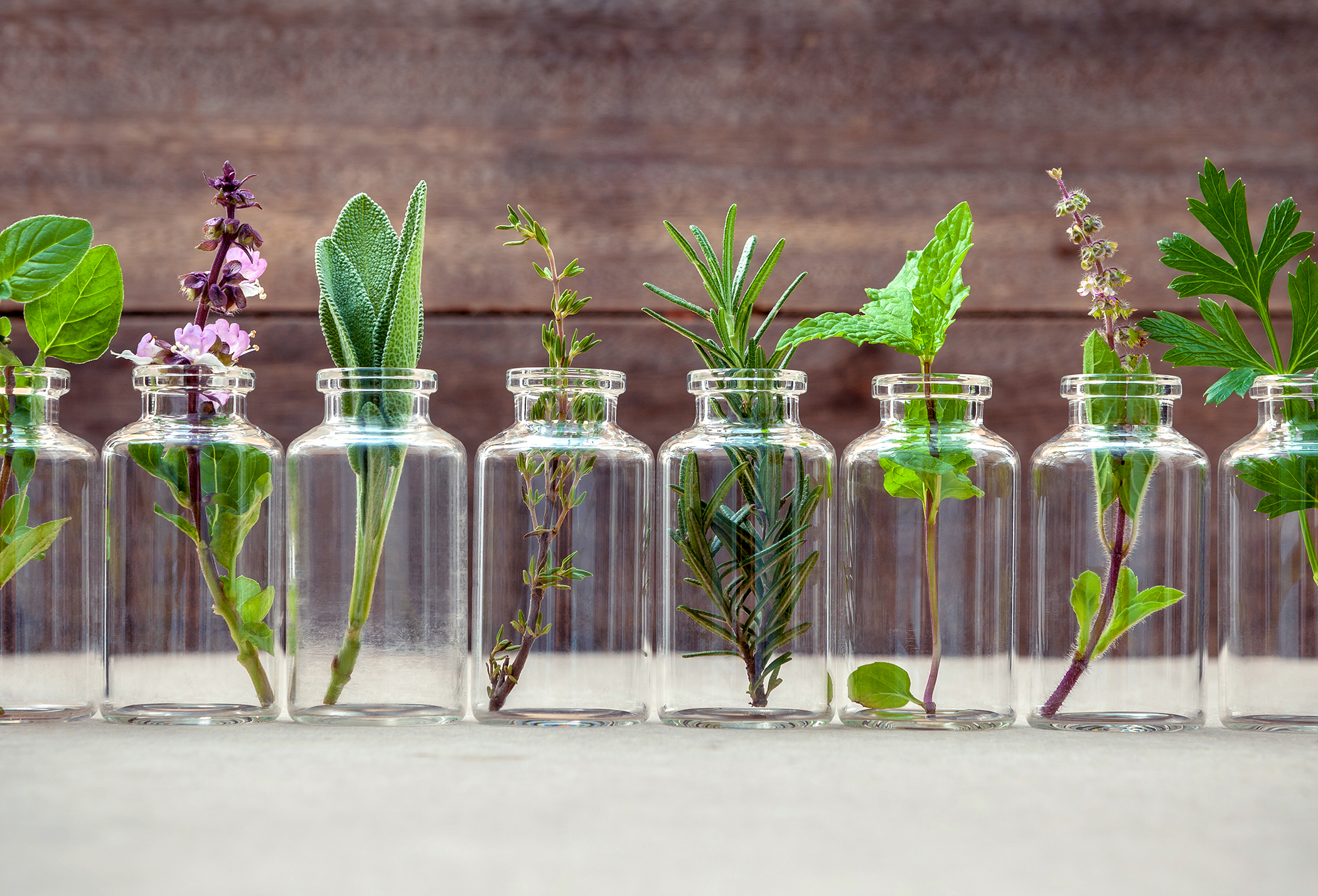
Here are the 5 foundational botanicals that Jodi believes should be part of a natural first aid kit for your family today:
1. Calendula
Calendula is one of the most versatile healing plants available. It supports wound repair, soothes burns, calms rashes, and offers antifungal, antimicrobial, and anti-yeast properties. The FDA even recognizes calendula as an astringent. It’s a cornerstone for cuts, scrapes, and irritated skin.
2. Plantain
Often called “nature’s Band-Aid,” plantain is exceptional for bites, stings, splinters, and inflammation. It draws out irritants while supporting tissue repair, making it a must-have for everyday skin injuries.
3. Arnica
Arnica is widely known for bruising and muscle strains, but its benefits go deeper. By helping manage inflammation, arnica also supports the nervous system. Reduced inflammation often correlates with lower cortisol levels, improved clarity, and a greater sense of well-being.
4. Chamomile
With eczema and chronic skin irritation at all-time highs, chamomile deserves more attention. Just as it calms the nervous system when consumed as tea, it soothes inflamed skin when applied topically. It’s a gentle, effective option for dry, reactive, or sensitive skin.
5. Aloe Vera
A classic for good reason. Aloe supports hydration, soothes sunburns, aids scar healing, and calms irritated tissue. It rounds out a natural first aid kit by addressing burns and post-injury recovery.
When choosing products, look for formulations that thoughtfully combine these plants rather than isolating them or diluting them with unnecessary fillers.
A New Way Forward for First Aid
We now have the knowledge, technology, and supply chains to do better. First aid doesn’t need to rely on outdated chemical formulas designed for a different era. Plant-based, organic solutions offer an opportunity to support healing at its source, without compromising long-term health.
Rethinking first aid isn’t about rejecting modern medicine. It’s about aligning everyday care with how the body actually works. When we feed the skin what it recognizes, we don’t just heal faster…we heal smarter.
And that’s a shift worth making.